
English| EUR
Suggested for you
More currencies
Choose a language
The bus from Kanazawa to Takayama via Shirakawago turns a simple intercity transfer into a UNESCO World Heritage stopover. This guide covers the route structure, stopover duration, and what you need to know before boarding the service that links the Japanese Alps to the traditional thatched village of Ogimachi.
Quick answer
The Kanazawa to Takayama bus route via Shirakawago operates as a scheduled service with a stopover in Ogimachi, the main gassho village. The journey takes approximately 2.5 hours total, with a typical stopover window of 50 to 90 minutes depending on the departure time selected. Reservations are mandatory and buses run multiple times daily during peak season. The village is free to enter, though individual house museums charge between 300 and 800 yen.
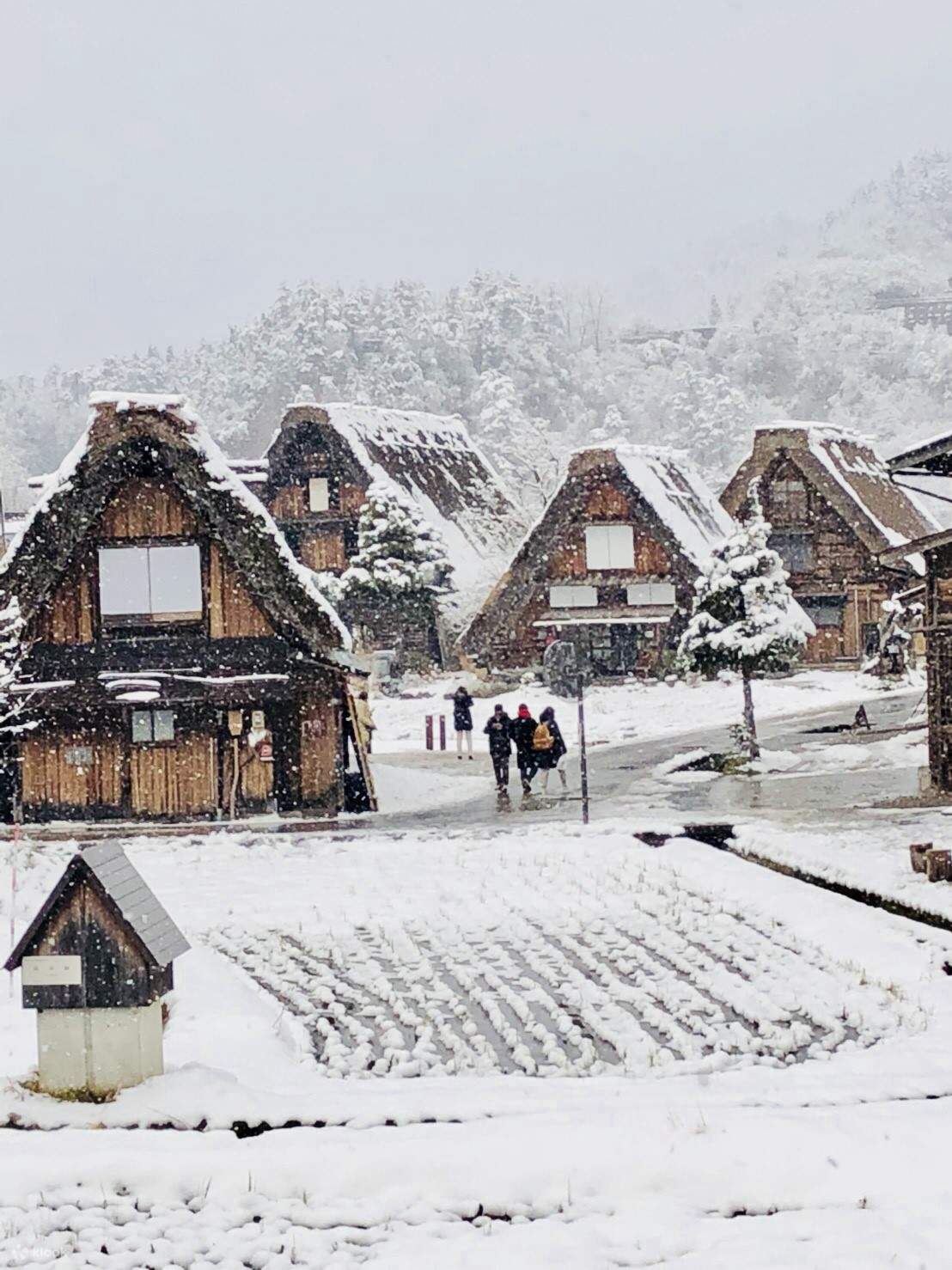
The route between Kanazawa and Takayama ranks among the most scenic bus journeys in central Japan, not for the highway itself but for what sits at its midpoint. Shirakawa-go, a village of steep-roofed gassho farmhouses wedged into the Shogawa River valley, became a UNESCO site in 1995 and remains one of the few places in the country where traditional thatched architecture survives at settlement scale. The bus from Kanazawa to Takayama via Shirakawago was designed to serve this exact itinerary: a direct connection that pauses long enough for travelers to walk Ogimachi's lanes, photograph the thatched roofs from the observation deck, and move on without needing overnight lodging. The service is operated by Nohi Bus in partnership with regional carriers, with coordination tight enough that missing a connection is rare but costly. Travelers book a specific departure and are assigned a return leg; the stopover length is determined by the pairing. Most visitors arriving between eight and ten in the morning secure a ninety-minute window, enough to reach the Shiroyama viewpoint and tour one house museum. The village itself imposes no entry fee—Ogimachi remains a working settlement, with residents farming rice and cultivating mulberry along the same plots their families held for generations. Only the converted farmhouses function as museums, each charging a modest admission to maintain the thatched roofs, which require replacement every thirty to forty years. The Kanazawa-Shirakawago-Takayama corridor sees its highest ridership during cherry blossom season and autumn foliage, when advance reservations fill weeks ahead. Winter draws a smaller but dedicated cohort: the gassho roofs under snow produce the iconic postcard view, and the village holds evening illuminations on select weekends between January and February. Summer traffic is steady but less frantic, with the best arrival window landing between eight and ten to avoid the midday tour bus convergence. The route's appeal lies in its efficiency—three destinations in a single travel day, each representing a distinct layer of regional culture, without the need to backtrack or store luggage. Shirakawa-go's designation as a Heritage site brought infrastructure but not sprawl. The village remains compact, walkable end to end in under twenty minutes, with the bus terminal, visitor center, and main museum cluster all within two hundred meters. The Wada House, the largest gassho structure open to the public, occupies the village center and offers the clearest view of the building technique: wooden beams lashed with straw rope, no nails, and a roof pitch steep enough to shed the region's heavy wet snow. The observation deck requires a ten-minute uphill walk but delivers the wide-angle view that defines most visitors' mental image of the village. Those with tighter stopover windows often choose one or the other; doing both and returning to the bus terminal on schedule requires focus and pace.
“The route's appeal lies in its efficiency—three destinations in a single travel day, each representing a distinct layer of regional culture, without the need to backtrack or store luggage.”
The route between Kanazawa and Takayama is best navigated by the Nohi Bus and Hokutetsu Bus highway services, which utilize the Tokai-Hokuriku Expressway to connect these regions via Shirakawa-go. This bus network provides a direct link between Kanazawa Station and Takayama Nohi Bus Center.
Kanazawa Station to Shirakawa-go (Ogimachi) via Nohi/Hokutetsu Bus
Shirakawa-go (Ogimachi) to Takayama Nohi Bus Center via Nohi/Hokutetsu Bus
All passengers should confirm their departure times at the Kanazawa Station bus terminal or Takayama Nohi Bus Center in advance, as seat reservations are typically required for this highway route.
This itinerary suits day-trippers traveling from Kanazawa with a stopover in Shirakawa-go before continuing to Takayama. The plan spans morning departure to late afternoon arrival, allowing 2–3 hours in the village.
Board the highway bus toward Shirakawa-go; the journey takes approximately 75 minutes through mountain scenery.
Disembark at the main stop in Ogimachi; lockers are available if you're carrying luggage.
Walk through the village center to see the thatched-roof structures; enter one or two house museums (300–800 JPY each) for interior views.
Climb the 10-minute path to the deck for an elevated view of the village and surrounding rice fields; return the same way.
Choose from soba shops or local set-meal restaurants near the main street; service is typically quick.
Catch the onward connection; the ride takes roughly 50 minutes and reservations are recommended.
Disembark at Takayama Nohi Bus Center, within walking distance of the old town and morning market district.
The best arrival window for visiting Shirakawa-go when traveling between Kanazawa and Takayama is 08:00–10:00. Arriving during this period helps you avoid mid-day congestion and ensures better alignment with bus schedules for day-trippers.
Mild, 10°C to 18°C. Pleasant walking weather before the summer heat.
Warm and humid, 20°C to 30°C. Popular period for visitors exploring the village.
Cool and crisp, 8°C to 15°C. Colorful foliage draws many seasonal travelers.
Cold and snowy, -5°C to 5°C. Famous for heavy snowfall and light-up events.
Verdict: The optimal time to visit is Tuesday to Thursday, arriving between 08:00 and 10:00 during the months of April or October.
Access to the Shirakawa-go village is free of charge. Visitors only incur costs when entering specific historic house museums within the village grounds.
Verdict: A typical adult pays 0 JPY for village access, with optional costs determined by which specific house museums are selected for entry.
Shirakawa-go village facilities maintain consistent daily operating hours for visitors. These hours ensure access to the historic site while accommodating travelers connecting between Kanazawa and Takayama.
Everything you need to know about bus from kanazawa to takayama via shirakawago
You can travel by booking a highway bus that stops at the Shirakawa-go bus terminal between the two cities. This route allows passengers to explore the UNESCO heritage site before continuing their journey to Takayama.
While we do not sell tickets directly, many travelers use a bus from kanazawa to takayama via shirakawago to coordinate their own sightseeing itinerary. You can book your seats through official transit operators to ensure your travel plans are secured in advance.
Most bus terminals at this major Gifu sightseeing destination provide coin-operated luggage lockers for travelers. It is advisable to use these facilities so you can walk through the historic village freely without carrying heavy bags.
The best arrival window is 08:00–10:00 to avoid mid-day crowds and ensure bus schedule alignment for day-trippers. Arriving early helps you experience the gassho-zukuri farmhouses in a quieter atmosphere.
Entry to the village itself is 0 JPY as it is a public area. However, please note that individual house museums within the site charge between 300-800 JPY for entry.
Yes, seats on this transit route are typically reserved in advance because it is a popular connection for international visitors. We recommend checking the official carrier website to confirm your seating availability well before your departure date.