Kanazawa To Takayama Bus
Tours & tickets

Hand-picked by our editors — only the best 5 alpine village tours from 47 reviewed.

Open today 08:00–17:00
Attendance: Moderate — summer season
Ensure your kanazawa to takayama bus booking is confirmed before arrival.
Free cancellation Instant confirmation Mobile voucher Verified partner Skip-the-line
Tickets

Choose your ticket

Verified partners for every tour, free cancellation where available, and instant confirmation on every booking.

Edo Heritage Trail: Gujo, Takayama & Shirakawa-go 11 hr
Guided Experience

Edo Heritage Trail: Gujo, Takayama & Shirakawa-go

4.5 (596)
€51
per person
Instant Mobile voucher Flexible — change up to 24h

Journey through three preserved Edo-era settlements, from canal-lined streets to UNESCO thatched villages

Reserve
Shirakawa-go UNESCO Village & Kanazawa Cultural Crafts 9 hr
Guided Experience

Shirakawa-go UNESCO Village & Kanazawa Cultural Crafts

5 (347)
€97
per person
Instant Mobile voucher Flexible — change up to 24h

Journey to a UNESCO mountain village, stroll through historic gardens, and craft traditional sweets and gold leaf art

Reserve

Prices from verified partners. Availability updates in real time at checkout. Free cancellation policies apply where shown.

What you'll do

Inside a tour, step by step

  1. 01 15 min

    Arrival

    Disembark at the bus terminal and store luggage.

Highlights

What you'll see inside the attraction

The landmarks, rooms, and views travelers on this tour remember — all visible on a single visit.

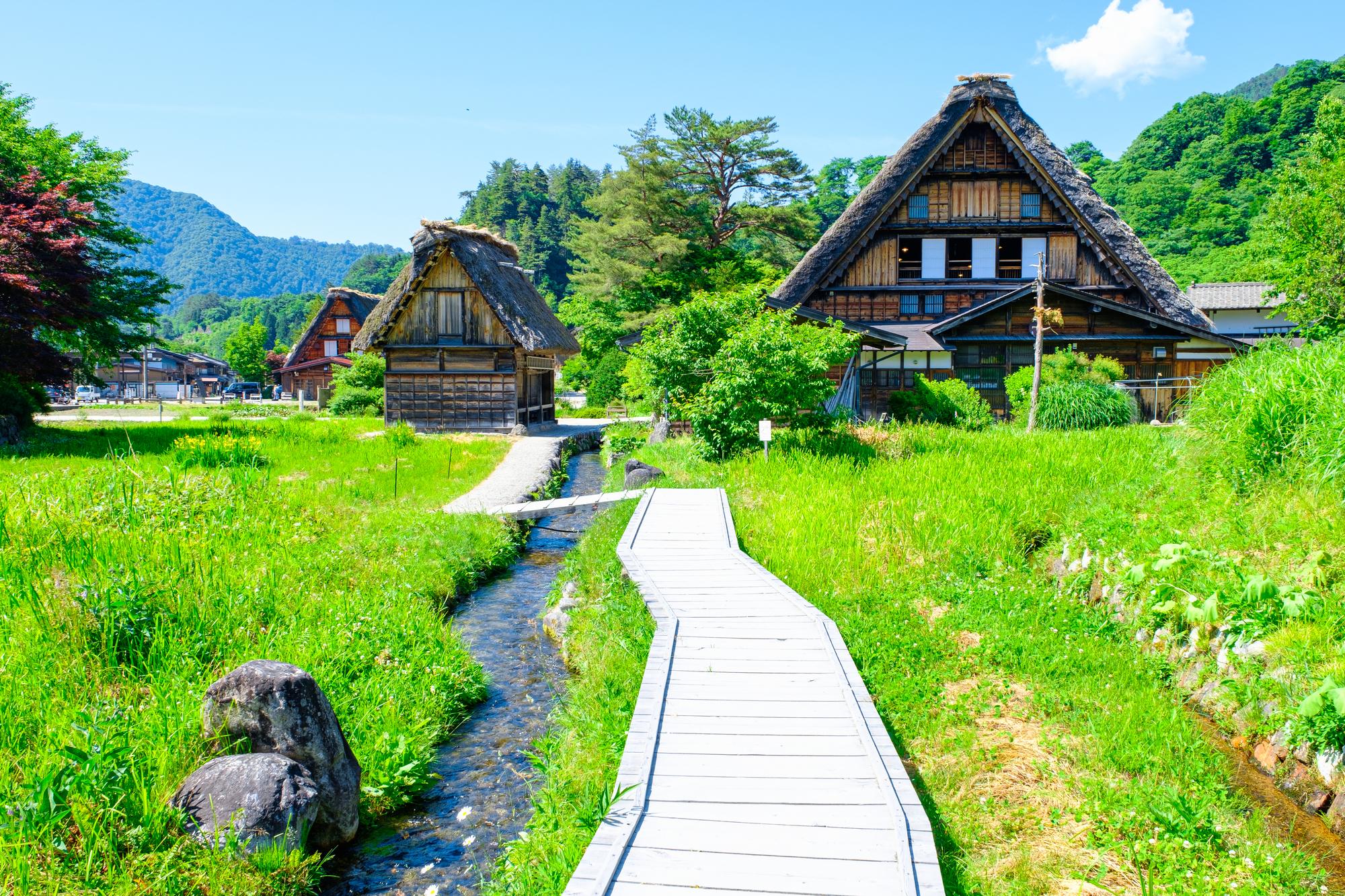
Wada-ke House

This is the largest gassho-zukuri farmhouse in the village and serves as a vital historical museum.

Head to head

Self-Guided Kanazawa To Takayama Bus Booking vs Guided Day Tours

They complement each other; most visitors who do both call the independent transit approach the more flexible way to explore these UNESCO heritage regions. You can simplify your travel by securing kanazawa to takayama bus booking tickets for a personalized itinerary.

Feature Top pick Independent Transit Guided Day Tours
Flexibility
Fixed schedule
Planning Effort
Minimal planning required
Included Experiences
Transport and site guide
Direct Costs
Higher inclusive pricing
Language Support
Multilingual guide provided
Group Pace
Structured group timeline

Verdict: Opt for a kanazawa to takayama bus booking tour if you prefer setting your own pace, or choose guided kanazawa to takayama bus booking tours for comprehensive narration.

How your ticket works

Book your ticket in 3 steps

  1. 01

    Book online

    Choose your ticket, select your date, and reserve in under two minutes. Secure checkout handled by our verified partner.

  2. 02

    Receive your mobile voucher

    Instant confirmation by email, with a mobile voucher you can save offline. No printing, no queuing at a collection desk.

  3. 03

    Show & enter

    Arrive at the entrance, show your voucher on your phone, and walk in. Most tickets include priority or skip-the-line access.

Plan your visit

Everything you need to know before you go

Practical details for your visit straight from our verified partners — hours, access, rules, and how to get there.

Open today · 08:00–17:00
Opening Hours
08:00–17:00
Address
Ogimachi, Shirakawa-mura, Ono-gun, Gifu 501-5627, Japan
Accessibility
Village is walkable; some slopes and historic interiors have stairs.
Best arrival
08:00–10:00 — Avoid peak daytime crowds and secure parking.
Storage
Coin lockers available at Shirakawa-go Bus Terminal.
Website
https://shirakawa-go.gr.jp/
Mon
08:00–17:00
Tue
08:00–17:00
Wed
08:00–17:00
Thu
08:00–17:00
Fri
08:00–17:00
Sat
08:00–17:00
Sun
08:00–17:00
Main entrance

Shirakawa-go Bus Terminal

1086 Ogi-machi, Shirakawa-mura

Primary hub for all bus arrivals and departures.

Address
Ogimachi, Shirakawa-mura, Ono-gun, Gifu 501-5627, Japan
Storage
Coin lockers available at Shirakawa-go Bus Terminal.
Website
https://shirakawa-go.gr.jp/

How to get there

🚆
Public transport · Car · Parking is available at the Seseragi Park Parking Lot; vehicle access to the village center is restricted.

Use the Nohi Bus or Hokuriku Railroad service for your kanazawa to takayama bus booking.

Dress code

Dress in comfortable layers suitable for walking, especially if your kanazawa to takayama bus booking includes time for hiking to the viewpoint.

Bags & security

Use coin lockers at the bus terminal if you have heavy luggage, as space in the historic village is limited. This is a common practice for those with a kanazawa to takayama bus booking.

Photography

Photography is permitted in public village areas; please respect the privacy of residents and do not peer into homes. Many travelers on a kanazawa to takayama bus booking tour capture the iconic Gassho-zukuri roofs.

Accessibility

The village is largely accessible on foot, though historic farmhouse interiors often feature steep, narrow wooden stairs. Plan your kanazawa to takayama bus booking with the understanding that some paths involve slopes.

Mobile phones

Mobile reception is generally good, but ensure you have digital copies of your kanazawa to takayama bus booking tickets saved offline.

What to bring

  • Comfortable walking shoes
  • Water bottle
  • Portable power bank
  • Offline map
  • Small change for bus/museums
  • Sun protection
  • Light rain jacket

Not allowed

  • Drones
  • Large tripods
  • Private residence entry
  • Litter
  • Flammable items
  • Hazardous materials
  • Smoking outside designated areas
  • Alcoholic beverages in public
  • Commercial filming equipment
  • Oversized luggage in village streets

Families & strollers

The village is welcoming to families; keep children close as streets are narrow and sometimes shared with vehicles. A kanazawa to takayama bus booking tour is suitable for children interested in traditional architecture.

Food & drink

Numerous local cafes and restaurants serve regional specialties like Hida beef; remember that trash must be taken with you as bins are rare. Many passengers on a kanazawa to takayama bus booking enjoy traditional Soba noodles for lunch.

Pets

Pets are generally discouraged within the historic gassho-zukuri interiors; check with specific facility operators before your visit.

Good to know

As an active village, please stay on marked paths to respect the inhabitants. Always check your kanazawa to takayama bus booking tickets for exact boarding locations.

Meeting point

Where to find us

Shirakawa-go Bus Terminal

1086 Ogi-machi, Shirakawa-mura

Primary hub for all bus arrivals and departures.

Get directions
Around your visit

Everything else worth knowing

Best time to go, insider tips, nearby landmarks, and the cancellation fine print — flip through to skim what matters to you.

Best time to visit

How crowds, weather, and events shift across the year.

Spring

Mid-April sees cherry blossoms; pleasant walking temperatures.

Helpful tips for your visit

Small details that turn a good visit into a great one.

Book Early

Reserve your kanazawa to takayama bus booking at least a month ahead during peak seasons to guarantee a seat.

Nearby landmarks

Non-bookable sights within a short walk — free to visit, easy to pair.

Wada-ke House

5 min

The largest gassho-zukuri farmhouse, now a museum showcasing traditional tools.

Cancellation policy

Flexible, no hidden fees.

Cancellation terms depend on the specific provider for your kanazawa to takayama bus booking. There is 0 JPY entrance fee for the village itself, though parking fees apply.

Where to stay

Hotels & districts near the attraction

Hand-picked options within walking distance — pick a district for vibe, or a specific hotel for convenience.

Shirakawa-go no Yu

10 min
mid-range

Traditional stay with an on-site hot spring and mountain views.

About

The place, in context

The mountain corridor between Kanazawa and Takayama carries fewer than twelve daily departures, yet it remains the only year-round overland link between the Japan Sea coast and the highland basins of Hida. The route opened in 1965 as a seasonal logging track before the Hokuriku Expressway pushed it into year-round service; by 1995, UNESCO designation of Shirakawa-go and Gokayama transformed what had been a timber haul into one of central Japan's most traveled alpine passages. Today, the 130-kilometer journey threads the Shogawa valley, climbing from sea level at Kanazawa to 560 meters at Shirakawa-go before descending into Takayama at 570 meters, a topographic rhythm that dictates the bus schedule more than any highway engineering. Booking a seat on the Nohi or Hokutetsu express lines is not simply a matter of transport; it is the difference between a four-hour guided pause and a rental-car scramble through hairpin turns with nowhere to stop. The gassho-zukuri farmhouses of Ogimachi village sit thirty minutes from either terminus, visible from the highway but inaccessible without a scheduled halt. The morning departure from Kanazawa Station's east exit reaches Shirakawa-go by 9:15, allowing two hours among the thatched roofs before the midday tour buses flood the village; the afternoon return from Takayama departs at 15:50, catching the last light on the Miyagawa morning market stalls. The Nohi route, operated since 1948, runs a fifty-seat Hino coach with panoramic windows and no standing passengers; the Hokutetsu service, launched in 2003, uses a smaller thirty-two-seat vehicle with reserved seating enforced through QR-coded vouchers. The kanazawa to takayama bus booking system consolidated in 2018, moving from counter-only sales at Kanazawa Station to a centralized digital platform that now handles eighty percent of advance reservations. Peak season—late April for cherry blossoms, early October for foliage—sees routes sell out seventy-two hours ahead, while winter departures from December through February often run half-empty despite Shirakawa-go's illumination events. The booking window opens ninety days before travel, a constraint imposed by the regional transport ministry to prevent speculative resale; tickets purchased online carry a cancellation window of forty-eight hours, after which the fare is forfeited. The Shirakawa-go stop, located at the south end of Ogimachi's main walking path, offers no shelter beyond a weathered wooden awning and a single digital departure board. The Takayama terminal occupies the ground floor of a 1970s concrete municipal building, its ticket counters staffed from 07:00 to 18:00 and its waiting hall lined with vending machines and a single staffed soba counter. Between these two anchors, the road climbs through cryptomeria forest and past terraced rice paddies, the kind of passage that justifies the window seat and the reserved departure time.

"The 130-kilometer journey threads the Shogawa valley, climbing from sea level to 560 meters, a topographic rhythm that dictates the bus schedule more than any highway engineering."
Your experience

What a tour day looks like

A step-by-step walkthrough of the visit — what you'll see, how long each stage takes, and the details that matter.

You board at Kanazawa Station's east exit, platform three, where the Nohi coach idles with its luggage bay already half-full of backpacks and tripod cases. The driver checks your QR code against a printed manifest, waves you to row seven, and pulls into morning traffic before you've stowed your daypack. The city falls away in ten minutes—first the Asano River bridges, then the tile-roofed suburbs, then terraced slopes dotted with persimmon trees. By the time the highway enters the Shogawa gorge, you're climbing through switchbacks with no guardrail, the river a silver thread two hundred meters below. Shirakawa-go appears suddenly: a basin of thatched pyramids framed by ridgelines still holding snow in May. The driver announces a ninety-minute stop, and you follow the footpath past the Wada house, its gassho roof angled at sixty degrees to shed winter load, and up the hillside observatory where the entire village lays itself flat for your camera. The Takayama leg descends through cedar tunnels and past roadside shrines, the coach quiet now except for the occasional shutter click. You arrive at the terminal by noon, the morning market already packing up, and step onto streets where Edo-era merchant houses lean toward one another across lanes too narrow for cars. The kanazawa to takayama bus booking tickets in your hand have delivered you not to a destination but to a threshold, the kind of arrival that makes the return journey feel optional.

Frequently asked

Frequently asked questions about kanazawa to takayama bus booking tours

What are the opening hours for the village?

The village is accessible 24/7, but shops and museums operate from 08:00–17:00.

Is the entrance free?

Entry to the village is 0 JPY; however, individual facilities and museums may charge separate admission fees.

How do I manage my kanazawa to takayama bus booking?

Ensure your kanazawa to takayama bus booking is handled via official providers like Nohi Bus or Japan Bus Online to avoid fraud.

Can I visit the interior of the houses?

Yes, many gassho-zukuri houses like the Wada-ke House are open to the public for a small fee.

Are there lockers for my bags?

Yes, the Shirakawa-go Bus Terminal provides coin-operated lockers for your convenience.

What is the best arrival time?

Arrive between 08:00–10:00 to avoid peak crowds and ensure parking availability.

Is it possible to visit during winter?

Yes, the village is beautiful in winter, though please prepare for cold temperatures and potential snow-covered paths.

How far is the village from the bus terminal?

The village is a short walk from the bus terminal, typically around 5 to 10 minutes.

Can I buy tickets for the bus on the day?

It is highly recommended to book your kanazawa to takayama bus booking tickets in advance, as seats sell out quickly.

Are there food options available?

Yes, there are many cafes and restaurants serving local Gifu specialties.